- Why Edgenexus?
- Try
- Products
- Solutions
- Applications
- Resources
COMPARE
READ
WATCH
SEE
Alliances and Partners
- Support
Resources
ALLIANCES AND PARTNERS
COMPARE
READ
WATCH
SEE
Alliances and Partners
Resources
ALLIANCES AND PARTNERS


(ADC Application Delivery Controller)
The easy choice for load balancing
Request a Free Trial
(Downloaded or cloud provisioned)
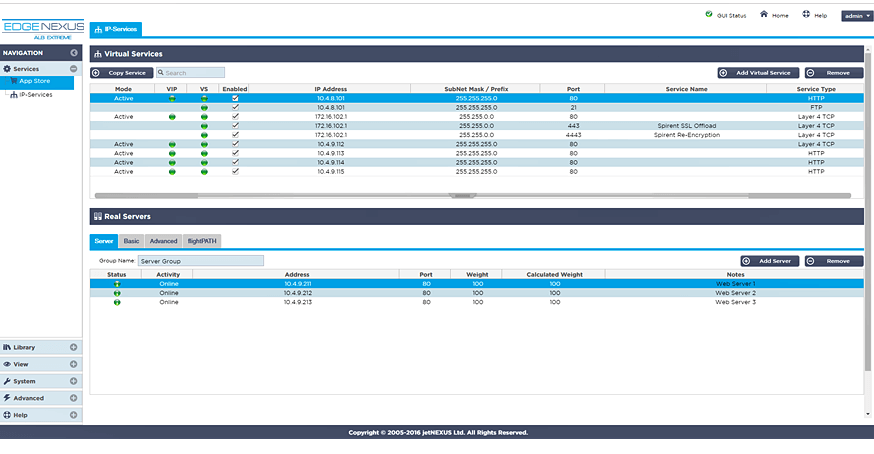
Our ADC Load Balancer allows you to quickly implement and manage security, traffic, SSO/Pre-authentication, and, of course, load balancing. It's High Performing, Next-Gen Load Balancer.
Deliver resilient and responsive services with granular control over your application traffic. Edgenexus load balancers give you the power to do more.

Overall (4.9/5)
Ease of Use (5/5)
Customer Service (4.9/5)
“Edgenexus is simple to use, extremely scalable and comes at the right price point, all of which make it a great fit for us.”
COLT
Our load balancers offer more than simple server redundancy. Conquer real-world application delivery challenges with intelligent easy to use traffic management.
Our intuitive interface makes configuration a fast, painless experience for experts and novices alike. We’re proud to offer the features you need in a format you can use.
Deliver resilient and responsive services with granular control over your application traffic. Edgenexus load balancers give you the power to do more.
The features and tools required at the edge of your network for secure, reliable and scalable application delivery.
Application architectures are evolving. Advanced load balancing and intelligent application delivery are becoming ever necessary, so if you have not moved to ADC in the Cloud, you can find some compelling reasons why you should below.
The Edgenexus LB/ADC can operate in both stand-alone or high-availability modes. In either model, the Edgenexus LB/ADC intelligently monitors and directs traffic amongst a healthy server group, negating single failure points while working toward an always-available application scenario.
Advanced features such as SSL Offload, Content Caching and Compression take process-intensive tasks away from servers, freeing them to deliver faster applications and a better end-user experience.
Edgenexus LB/ADC provides a future-proof platform that allows clients to scale services or deploy new applications seamlessly.
Easy to deploy, configure, and use, with an intuitive drag and drop GUI, means you can implement complex traffic manipulation policies within minutes.




Request a Free Evaluation (Downloaded, cloud provisioned or an Online Meeting)
If you need to evaluate an Edgenexus Hardware Appliance Load Balancer, please contact us to discuss.
If you’d like to have a play with our Virtual Appliance Load Balancer, you can download a free trial below.
Take a Free online Test drive complete with sample config and test servers, provisioned in seconds and ready to go!
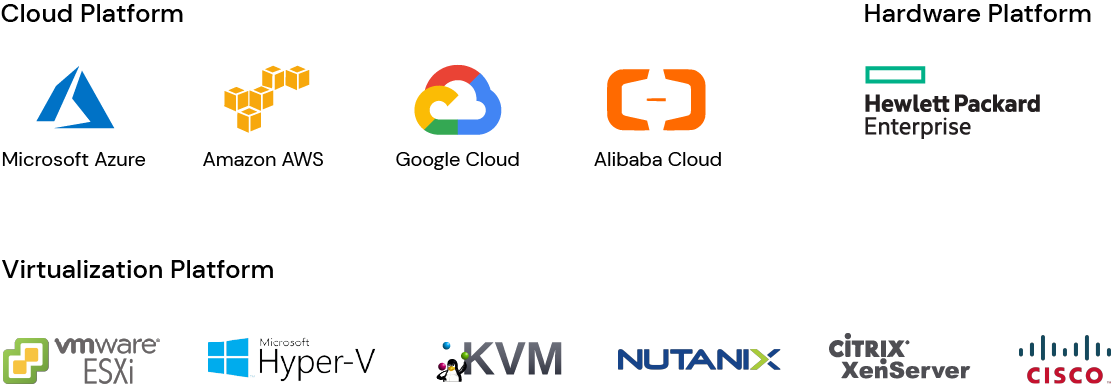
We are Certified for






Hardware, software or even your own online image complete with a full test environment.
Just let us know what you need here
People say we are knowledgeable and friendly but you can be the judge of that.
Don’t take our word for it – take a free trial
Request a Free Trial
(Downloaded or cloud provisioned)
APP STORE